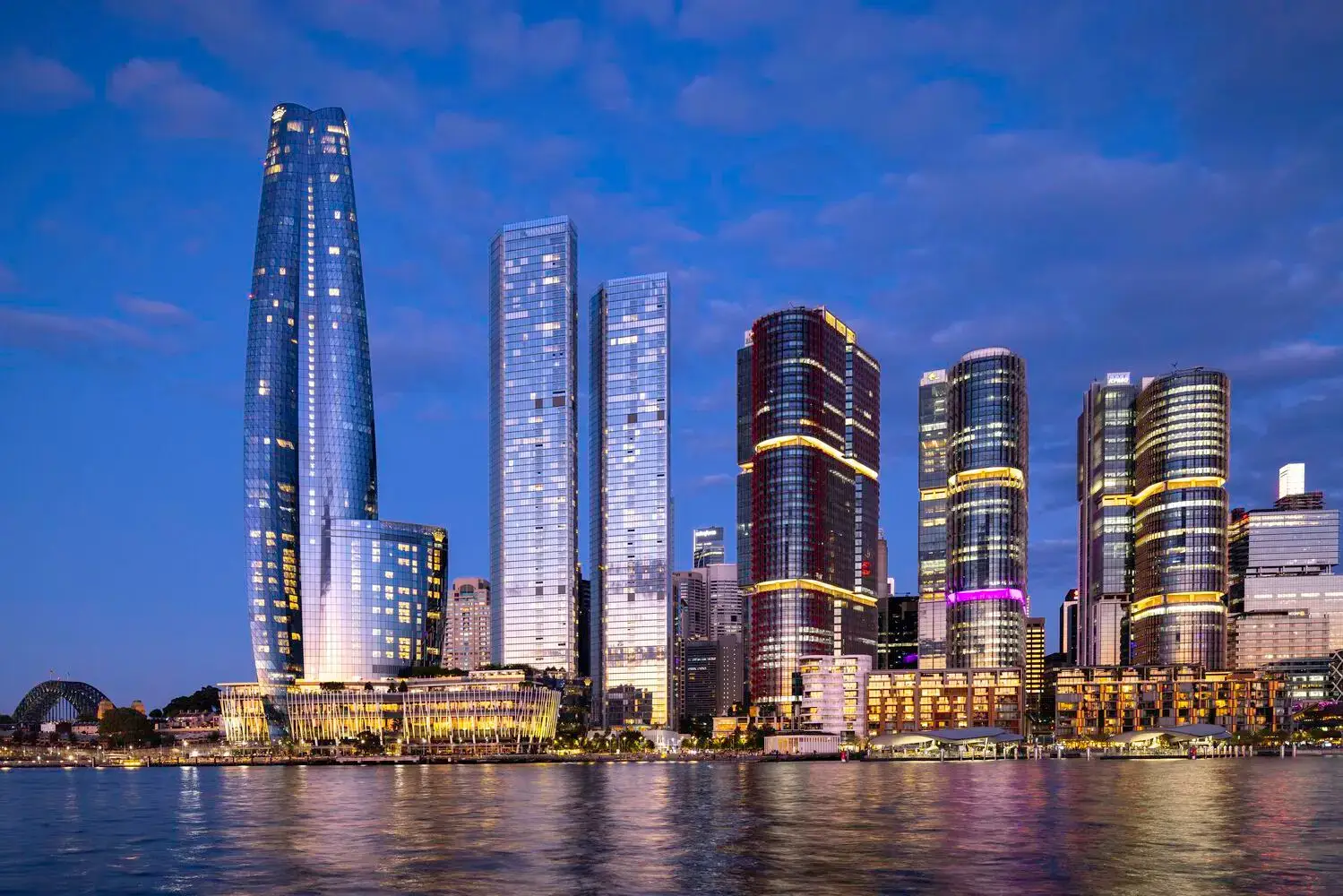
Sydney Harbour’s islands form a necklace of stories—Aboriginal, colonial, military, artistic—each one offering a different window into the harbour’s layered past and its breathtaking natural beauty. Expanding across Fort Denison, Shark Island, Clark Island, Rodd Island, Goat Island and Cockatoo Island, these remarkable places sit within or alongside Sydney Harbour National Park, creating a living museum scattered across the water. Together they shape one of Australia’s most culturally rich and visually iconic tourism landscapes.
The harbour as a cultural crossroads
Long before European ships entered the harbour, these islands were part of the traditional Country of the Gadigal, Wangal and other clans of the Eora Nation. Their sandstone shorelines, sheltered coves and tidal flats were places of ceremony, gathering and fishing. Visitors today can still feel the presence of this deep time—an unbroken connection to land and water that stretches back thousands of years. Several islands hold stories of ancestral spirits, traditional navigation routes and early encounters between Aboriginal people and Europeans, making them powerful destinations for travellers seeking to understand Sydney’s First Nations heritage.
Fort Denison: the sentinel of the harbour
Rising from the water like a sandstone fortress, Fort Denison is one of Sydney’s most recognisable harbour landmarks. Once known as Mat-te-wan-ye by the Gadigal people, the island later became “Pinchgut” during the convict era, when prisoners were isolated here as punishment. In the mid‑1800s it transformed again, this time into a defensive fort designed to protect the colony from naval attack. Today, its Martello tower—the only one of its kind in Australia—offers sweeping views of the Opera House and Harbour Bridge. For visitors, Fort Denison blends military history with postcard‑perfect scenery, making it a favourite stop on harbour cruises.
Shark Island: a picnic paradise with a storied past
Despite its fierce name, Shark Island is a peaceful, grassy haven ideal for picnics, swimming and panoramic photography. Its Aboriginal name, Boambilly, reflects its long cultural significance, while its later use as a quarantine station and recreation reserve adds layers to its history. With 360‑degree harbour views, shaded trees and gentle shorelines, it’s one of the most idyllic islands for travellers wanting a relaxed day immersed in Sydney’s natural beauty.
Clark Island: where cultures meet
Named after Lieutenant Ralph Clark, who once farmed vegetables here, Clark Island is a small but atmospheric retreat just off Darling Point. Before colonisation, it was a place of fishing and gathering for Aboriginal communities. Today, its terraced lawns, rocky foreshore and intimate picnic spots make it a popular destination for small groups, weddings and cultural tours. The island’s blend of Indigenous and colonial stories gives visitors a deeper appreciation of the harbour’s layered identity.
Rodd Island: science, solitude and harbour views
Tucked into Iron Cove, Rodd Island offers a quieter, more secluded experience. In the late 19th century it became a scientific research station, hosting experiments aimed at controlling Australia’s rabbit plague. Its restored dance hall and charming heritage buildings now overlook calm waters perfect for kayaking and photography. For travellers seeking a peaceful escape within easy reach of the city, Rodd Island feels like a hidden gem.
Goat Island: the heart of convict Sydney
Few places capture the raw energy of early colonial Sydney like Goat Island. Once a significant Aboriginal site, it later became a hub of convict labour, with prisoners quarrying sandstone and constructing buildings that still stand today. The island also played a key role in the harbour’s maritime history, serving as a gunpowder magazine and later as a base for the Water Police. Guided tours reveal tunnels, barracks and stories of resilience, hardship and ingenuity—making it a must‑visit for history lovers.
Cockatoo Island: industry, art and UNESCO recognition
The largest of Sydney Harbour’s islands, Cockatoo Island is a UNESCO World Heritage–listed site that blends convict history, shipbuilding heritage and contemporary culture. Visitors can wander through vast industrial workshops, explore convict-era solitary cells, or stay overnight in waterfront tents and heritage houses. The island also hosts major art events and festivals, transforming its dramatic industrial backdrop into a creative playground. Its scale, atmosphere and sweeping harbour views make it one of Sydney’s most compelling destinations.
Sydney Harbour National Park: the guardian of the islands
Most of these islands sit within Sydney Harbour National Park, which protects not only the islands themselves but also large stretches of foreshore, bushland and walking tracks. The park preserves Aboriginal sites, colonial landmarks, native wildlife habitats and some of the harbour’s most spectacular lookouts. For travellers, it offers a seamless blend of nature, culture and adventure—whether you’re exploring by ferry, kayak or on foot.
Sydney Harbour’s islands invite visitors to step into the stories that shaped Australia—ancient, colonial, industrial and artistic—while enjoying some of the most beautiful harbour scenery in the world. Which of these islands would you like to explore first on your itinerary?