Wreck Bay: A Place of Deep Connection, Coastal Beauty and Living Culture
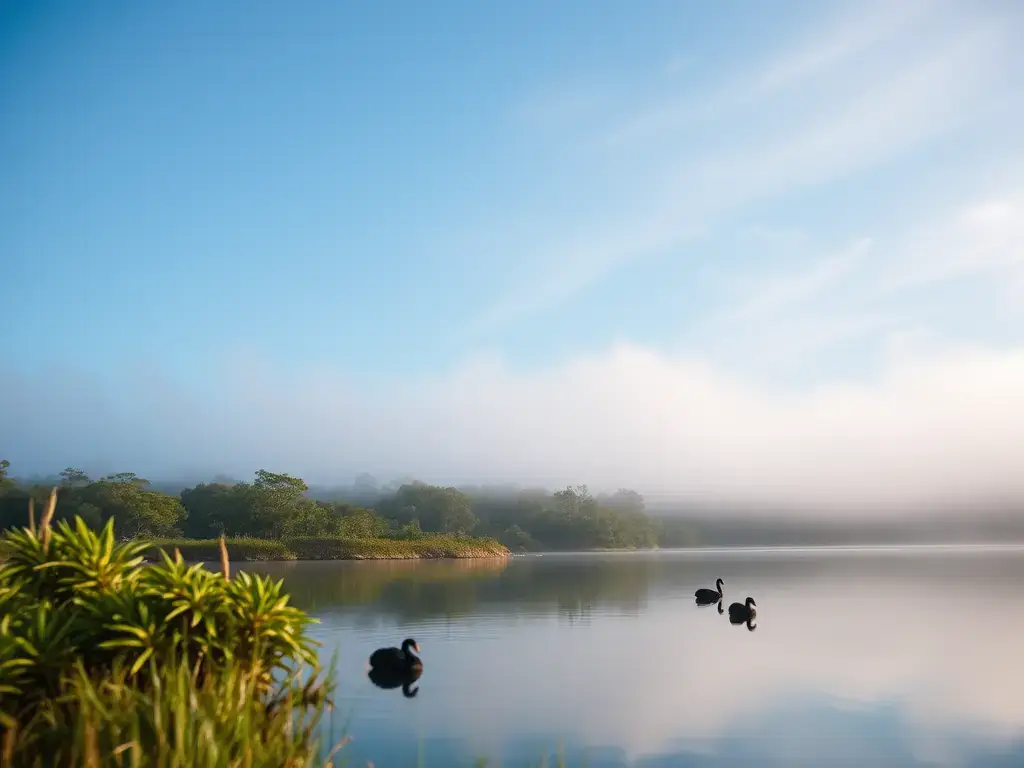
Wreck Bay is one of the most meaningful and visually striking destinations in the Jervis Bay region—an extraordinary meeting point of powerful Aboriginal cultural heritage and some of the most pristine coastal scenery in Booderee National Park. Set along the southern shores of Jervis Bay and overlooking the calm, glass‑like waters of Summer Cloud Bay, this remarkable place offers travellers a rare opportunity to experience Country in a way that remains deeply connected, respectfully protected and culturally alive.
Home exclusively to Indigenous residents, the Wreck Bay community represents a living cultural landscape shaped by thousands of years of custodianship. Its presence within Booderee National Park is a testament to enduring traditions, deep knowledge of the land and a commitment to caring for Country that continues today.
A Landscape of Coastal Calm and Cultural Significance
Wreck Bay is defined by its sweeping white‑sand beaches, turquoise water and uninterrupted views across Summer Cloud Bay. The coastline feels peaceful and untouched, where native bushland meets the sea in a way that highlights the region’s ecological richness. Visitors are encouraged to approach the area with respect, acknowledging its cultural importance and the ongoing role of the Wreck Bay Aboriginal Community in protecting and managing the land.
The atmosphere here is restorative—gentle waves, open skies and the scent of coastal vegetation create a sense of tranquillity that lingers long after you leave. It’s this quiet, immersive beauty that draws travellers seeking meaningful, slower and more mindful coastal experiences in Jervis Bay.
Things to Do in and Around Wreck Bay
Explore Pristine Beaches
The beaches surrounding Wreck Bay are among the most beautiful in Booderee National Park. Summer Cloud Bay, in particular, is ideal for:
- Swimming in calm, sheltered waters
- Beachcombing along soft white sand
- Spotting dolphins, seabirds and other marine life
- Capturing stunning coastal photography
Minimal development and strong conservation efforts preserve the area’s wilderness character, making it a standout destination for nature lovers.
Enjoy Relaxed Day‑Use Areas
Public spaces near Wreck Bay offer shaded picnic areas, wood‑fired barbecues and well‑placed tables—perfect for families, walkers and travellers taking a break between swims or scenic drives.
Walk Through Booderee National Park
With Wreck Bay at its heart, Booderee National Park offers:
- Coastal and bushland walking tracks
- Panoramic lookouts across Jervis Bay
- The Booderee Botanic Gardens—the only Aboriginal‑owned botanic gardens in Australia
- Interpretive signage highlighting Aboriginal heritage, wildlife and ecology
Whether you prefer short strolls or longer hikes, the park provides countless ways to explore and learn.
Respecting the Community
The Wreck Bay village itself is a private residential community. Visitors are asked to remain within designated public areas and follow local guidelines to ensure the privacy and cultural integrity of the community are maintained.
Where to Stay
There is no accommodation within Wreck Bay, preserving its peaceful residential nature. However, the wider Jervis Bay region offers a variety of options:
- Campgrounds within Booderee National Park
- Eco‑retreats and nature‑based stays
- Beach houses and holiday rentals
- Boutique accommodation in nearby towns
This allows visitors to enjoy Wreck Bay by day while staying close to the region’s many attractions.
Nearby Towns and Visitor Hubs
Wreck Bay is perfectly positioned for exploring the broader Jervis Bay area. Popular nearby towns include:
- Huskisson – cafés, restaurants, whale‑watching tours
- Vincentia – beaches, shopping and coastal walks
- Hyams Beach – world‑famous white sand
- Sanctuary Point – lakeside relaxation
- St Georges Basin – fishing and boating
- Sussex Inlet – waterways and kayaking
- Erowal Bay – peaceful bushland close to the park
How to Get There
Wreck Bay is located within Booderee National Park on the southern side of Jervis Bay. Visitors can access the area via Jervis Bay Road, with clear signage leading into the national park. A park pass is required for entry, supporting conservation and community‑led management.
Best Time to Visit
Wreck Bay is beautiful year‑round, though many travellers prefer:
- Summer for swimming and long beach days
- Autumn for mild weather and fewer crowds
- Spring for wildflowers and wildlife activity
- Winter for peaceful walks and dramatic coastal scenery
A Meaningful Stop on Any Jervis Bay Journey
Wreck Bay is not a commercial tourist centre—it is a place of depth, connection and quiet beauty. For travellers seeking a more thoughtful coastal experience, a deeper understanding of Aboriginal culture and a chance to explore one of Australia’s most remarkable national parks, Wreck Bay is an essential addition to any Jervis Bay itinerary.