
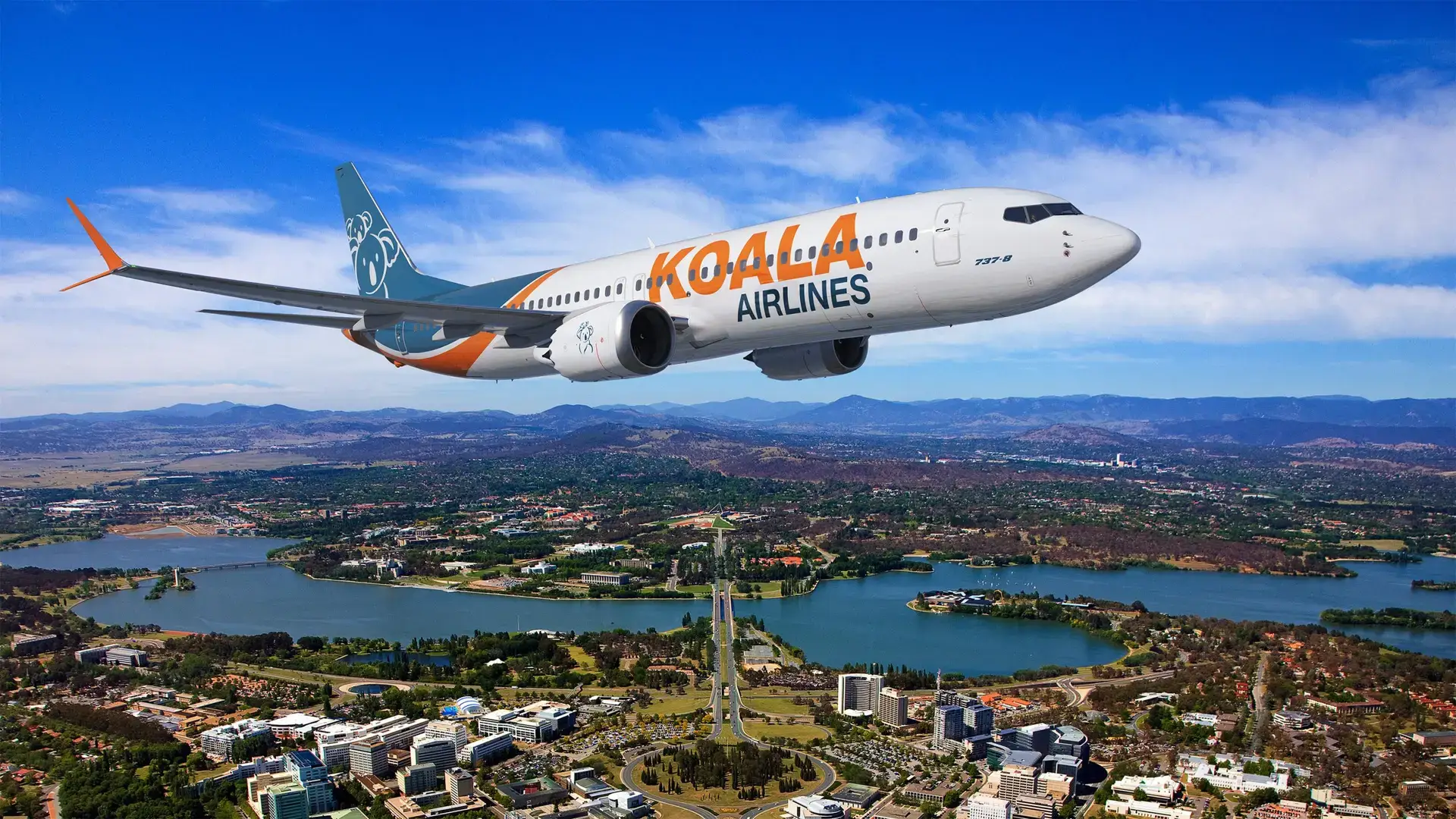
KOALA - New Airline In Australia
Koala Airlines Set to Shake Up Australian Aviation as New Competitor to Qantas and Virgin
Australia’s aviation landscape is gearing up for a major shake‑up, with Koala Airlines officially confirming it will launch domestic operations in late 2026. The emerging carrier has been quietly building momentum behind the scenes, positioning itself as a fresh alternative to industry giants Qantas and Virgin Australia.
While the airline has kept a notably low profile, Koala’s CEO has hinted there’s a strategic reason for the subdued public presence. According to industry insiders, the company has been focused on securing regulatory approvals, finalising fleet arrangements, and building a sustainable long‑term business model before stepping into the spotlight.
A New Challenger in the Skies
Koala Airlines’ entry marks the first major addition to Australia’s domestic aviation market since Bonza’s launch in 2023. With demand for domestic travel continuing to rise and travellers increasingly seeking affordable, reliable alternatives, Koala aims to position itself as a customer‑focused disruptor.
The airline has confirmed it is “on track” to begin flying by late next year, with initial routes expected to target high‑demand corridors currently dominated by Qantas, Jetstar, and Virgin. Although specific destinations have not yet been announced, analysts predict Koala will prioritise east‑coast routes such as Sydney–Melbourne, Sydney–Brisbane, and Melbourne–Brisbane, which remain among the busiest air corridors in the world.
Why Koala Airlines Is Keeping Quiet
Despite growing public interest, Koala’s leadership has intentionally avoided the media spotlight. The CEO has suggested that the airline wants to avoid over‑promising before all operational elements are locked in. This cautious approach contrasts with the more aggressive marketing strategies used by previous start‑ups, some of which struggled to meet early expectations.
Aviation experts say the strategy could work in Koala’s favour. By focusing on infrastructure, staffing, and fleet readiness before launching a major promotional campaign, the airline may avoid the pitfalls that have challenged new entrants in the past.
What Travellers Can Expect
Although Koala Airlines has not yet released full details of its service model, early indications suggest the carrier will adopt a hybrid approach—offering competitive fares while maintaining a level of comfort and service above traditional low‑cost airlines.
Key expectations include:
- Modern, fuel‑efficient aircraft to reduce operating costs and environmental impact
- Flexible fare options catering to both budget travellers and business passengers
- A strong focus on customer experience, an area where major airlines have faced criticism in recent years
- Regional connectivity, potentially opening new routes for underserved communities
If Koala delivers on these promises, it could become a significant player in the domestic market, especially as travellers continue to seek alternatives amid rising airfares and ongoing customer service frustrations across the industry.
Aviation Industry Braces for Competition
The arrival of a new competitor is expected to put pressure on existing carriers, particularly on popular domestic routes where prices have surged in recent years. Increased competition typically leads to lower fares, improved service standards, and more travel options—benefits that Australian consumers are likely to welcome.
Industry analysts note that Koala Airlines’ timing could be advantageous. With domestic tourism strong and business travel rebounding, the market is ripe for a new entrant capable of offering competitive pricing without compromising reliability.
The Countdown to Takeoff
With operations slated to begin in late 2026, Koala Airlines is entering its final preparation phase. As regulatory approvals progress and fleet announcements draw closer, the airline is expected to reveal more details in the coming months.
For now, Koala’s message is clear: Australia’s skies are about to get a little more competitive.